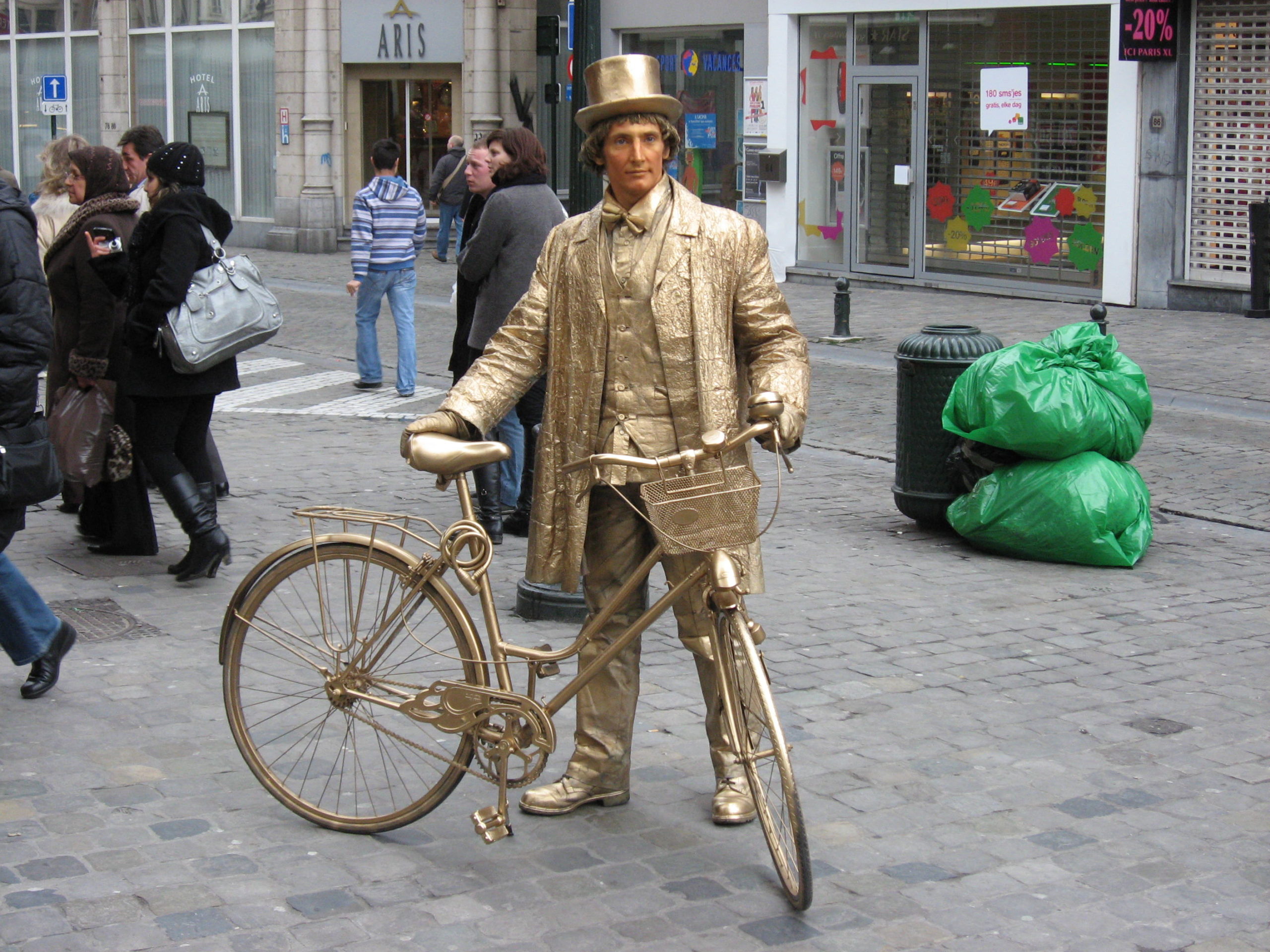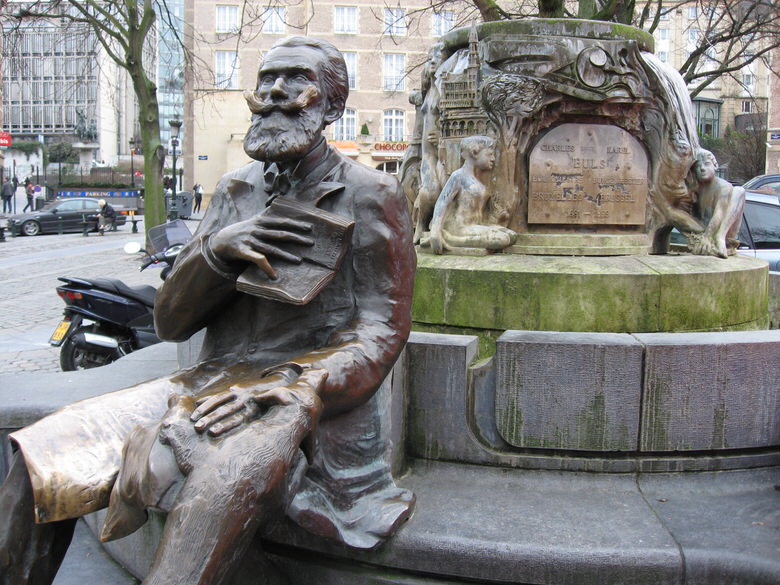
The Charles Karel Buls statue is found at the Agora Square right next to the rue du marché aux herbes. It’s a memorial in the honor of Charles Buls who was mayor of Brussels from 1881 until 1899. He is remembered most of all today for his fight to vote laws to preserve and fund the restoration some of the best known jewels of the city like the Grand Place that are now considered a UNESCO World Heritage site.
Vincent
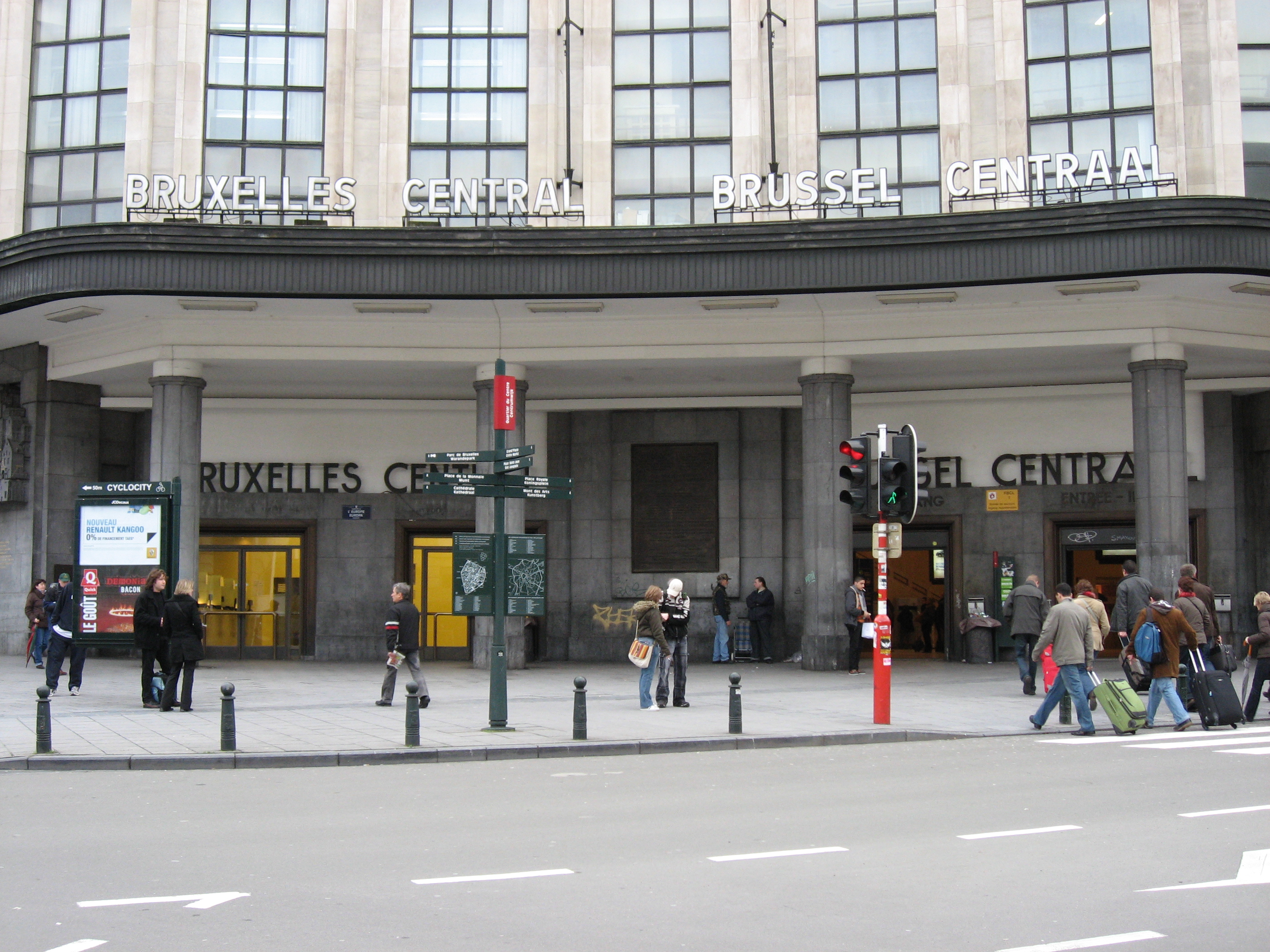
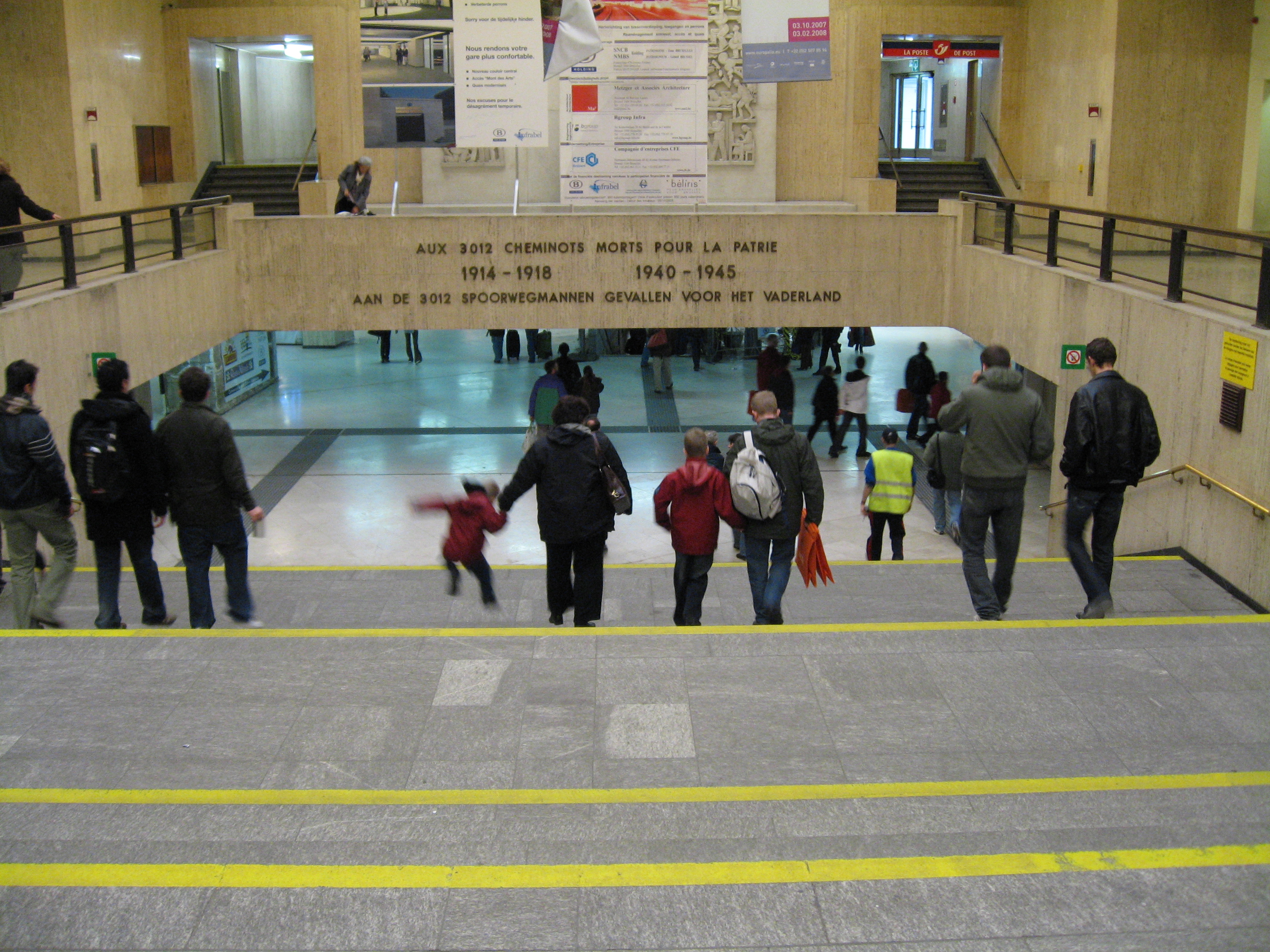
Gare de Bruxelles Central, or in English the Brussels Central train station was opened in 1952. Initially designed by the famous Belgian architect Victor Horta it was Maxime Brunfaut who finished it according to his plans after he died in 1947. With 140 000 daily passengers it is the busiest of all railway stations in Brussels.
Just in front of the main entrance
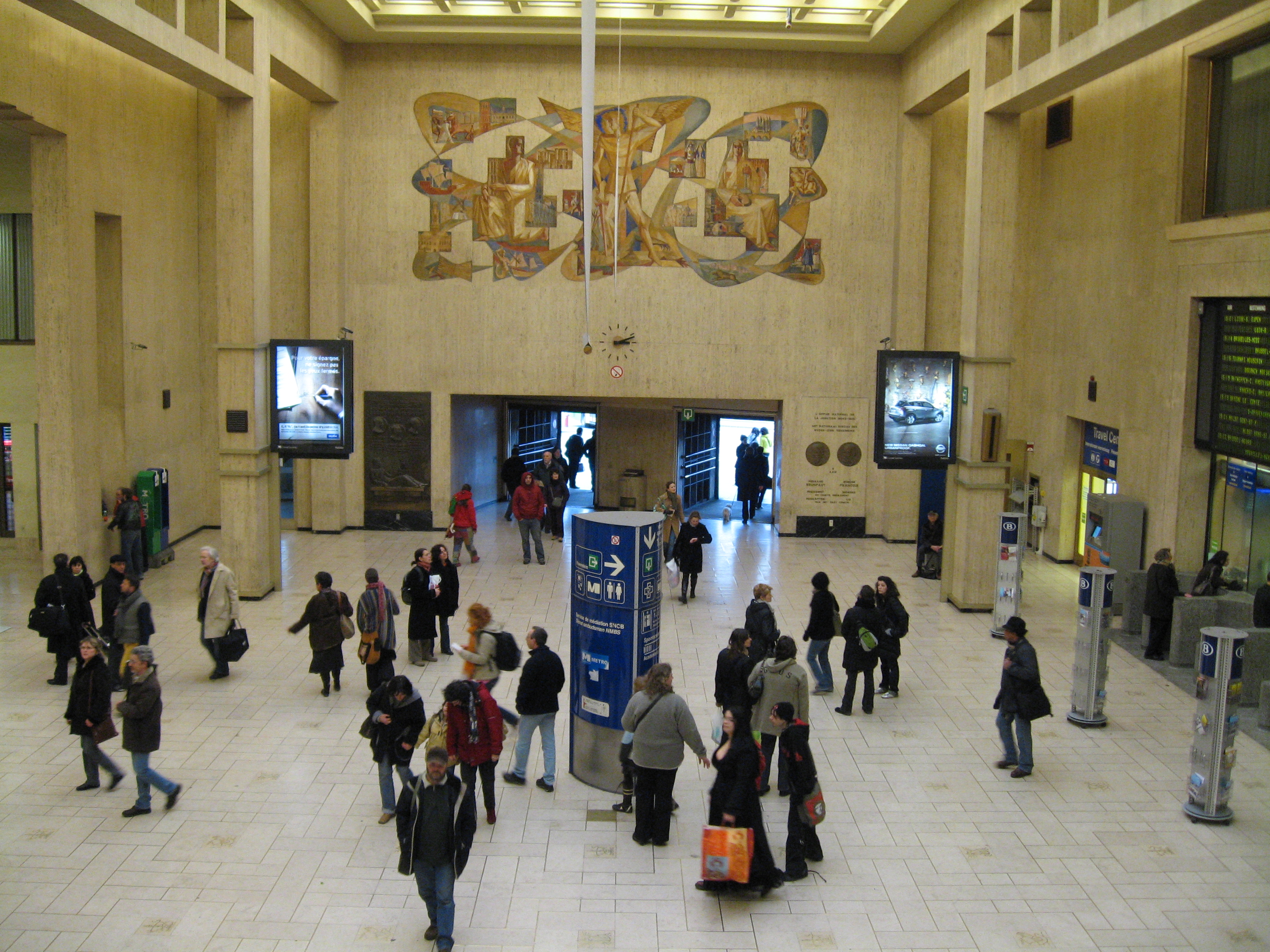
view from the inside
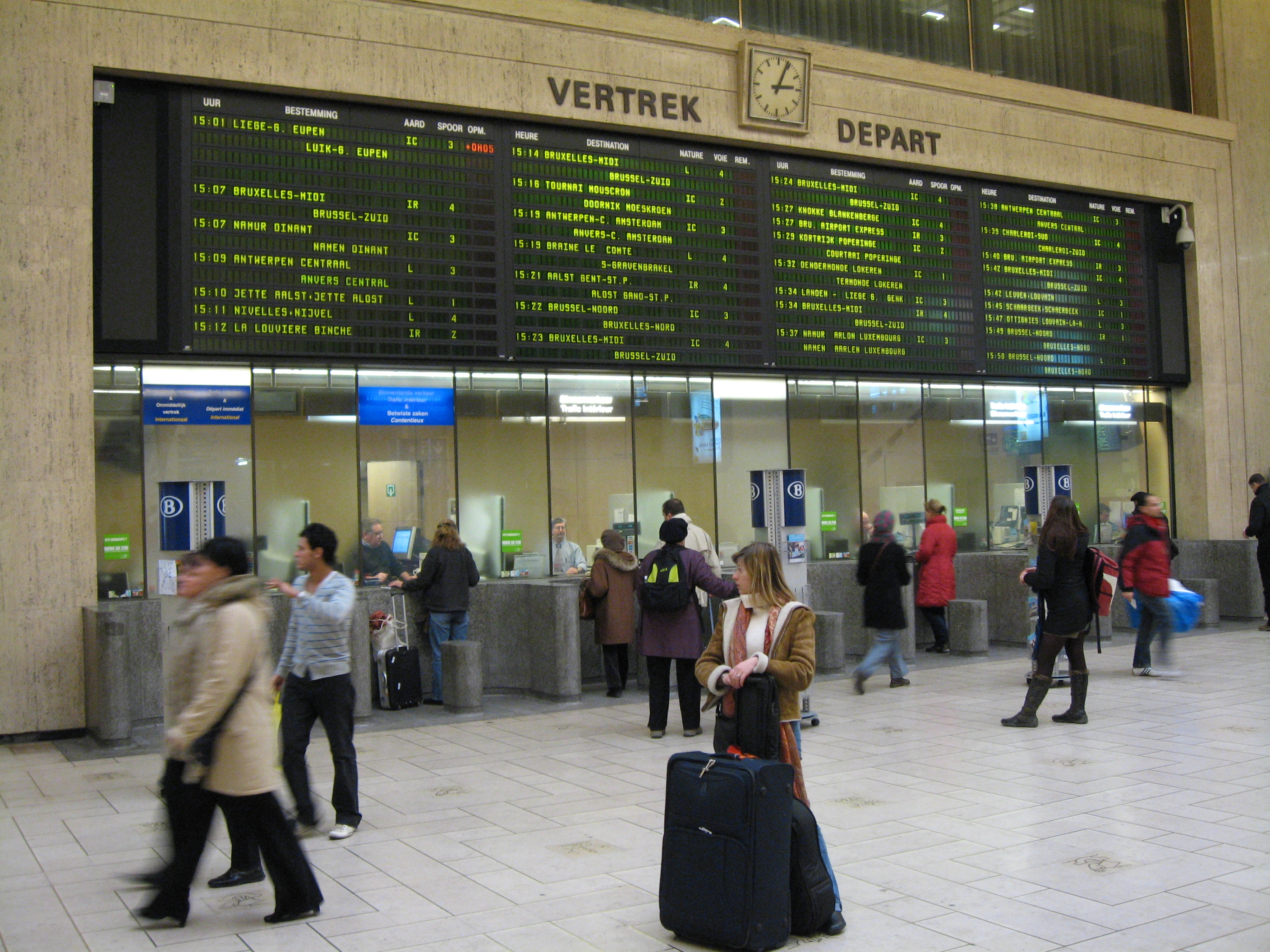
ticket office and schedules for departures
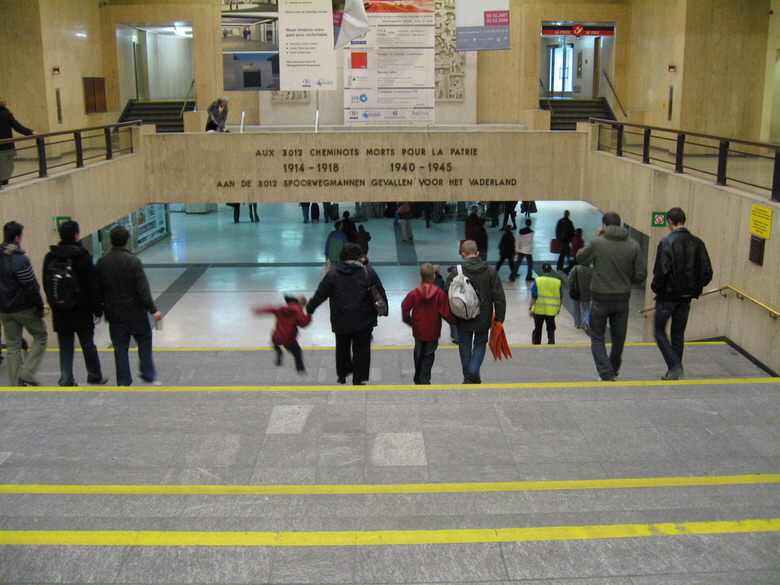
Walking down to a lower level
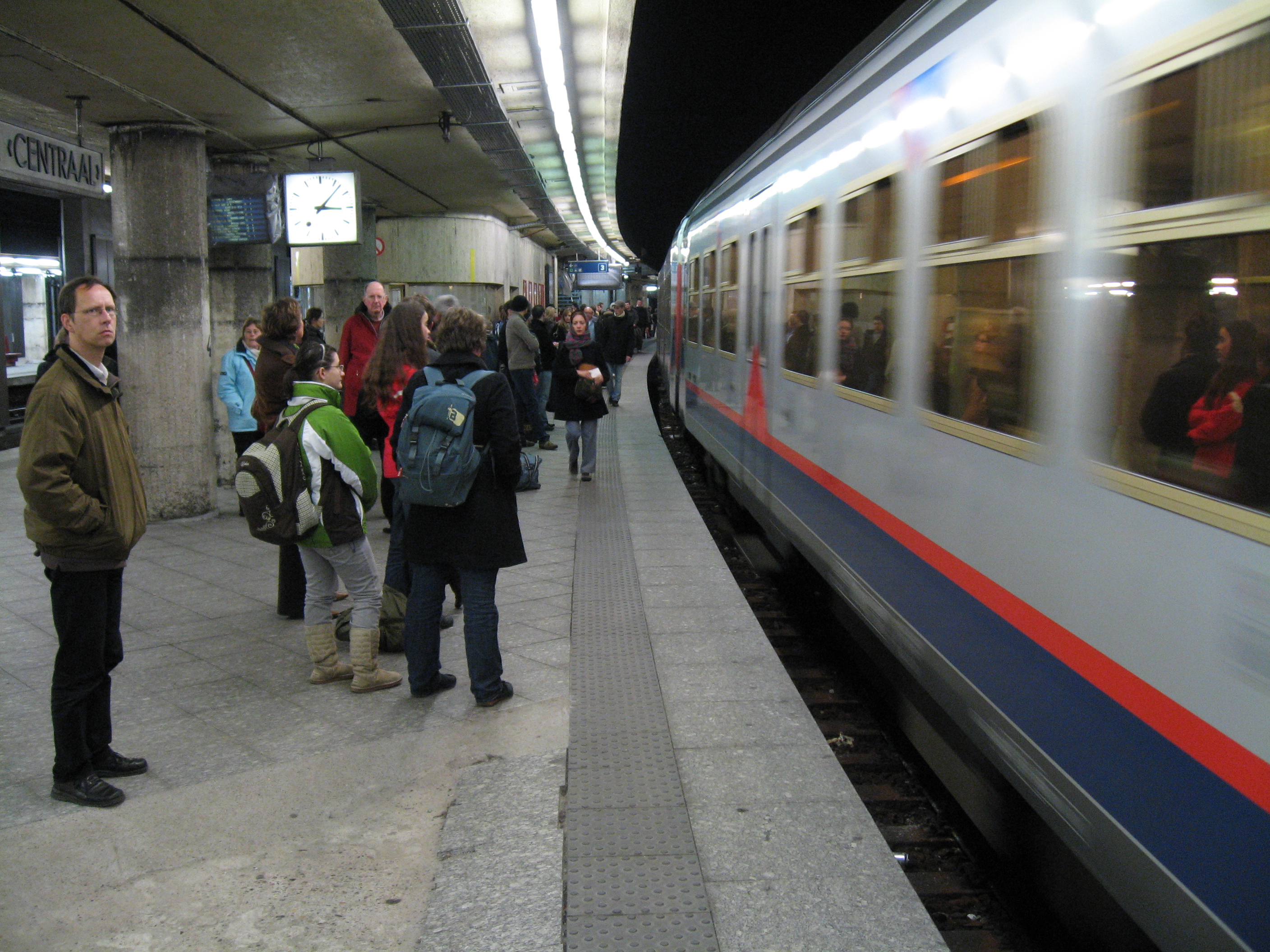
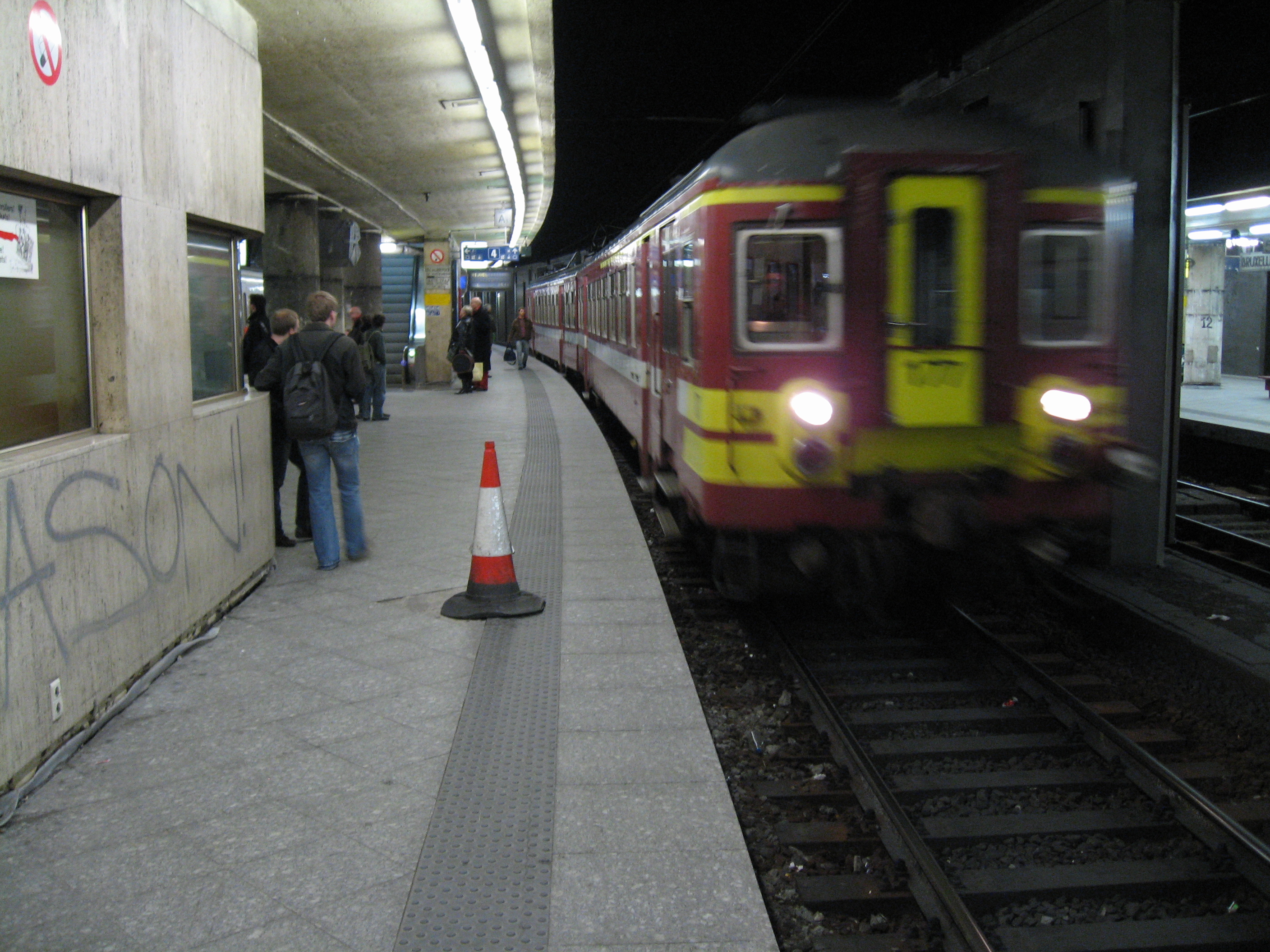
Here at the lowest level where the trains are
The train station has six tracks
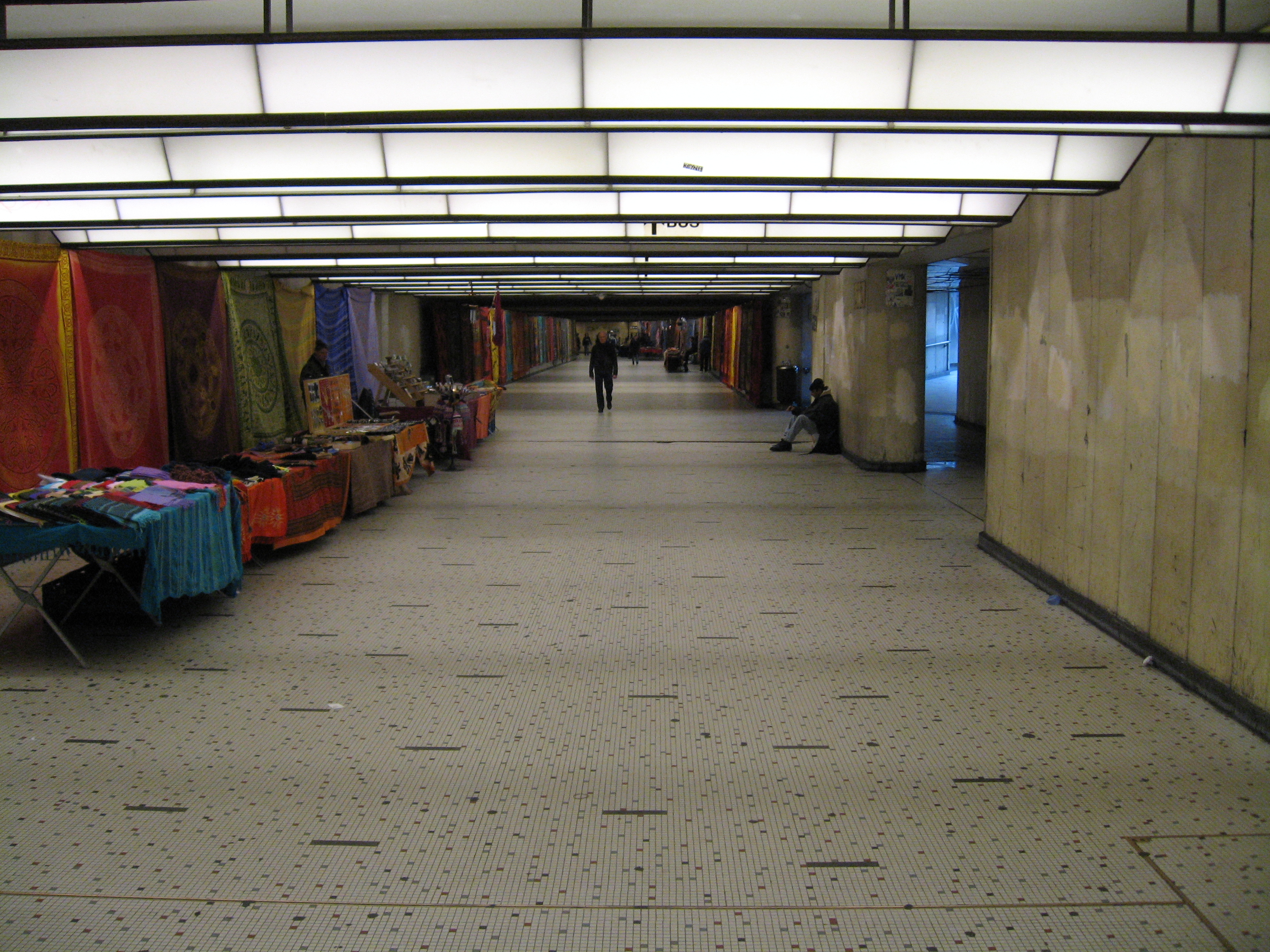
The walk from the train station to the Brussels central subway station
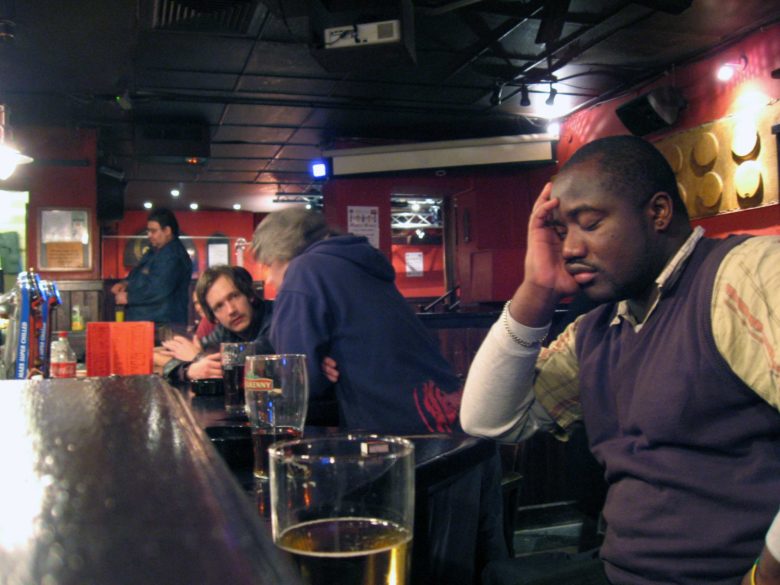
The last few survivors left sitting at the bar downstairs after a long Thursday night at the Celtica Irish pub: A dozing off African man, a Swede and a Norwegian.

Looking around in the back a few more in a not so great shape


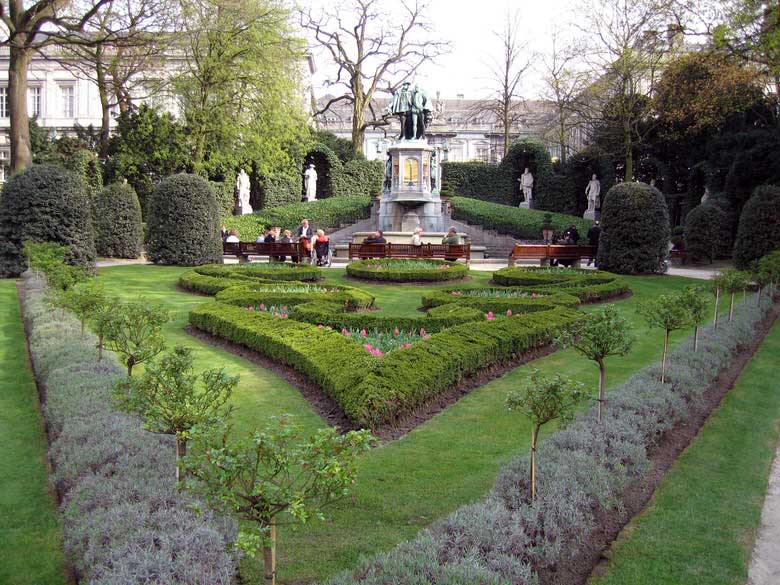
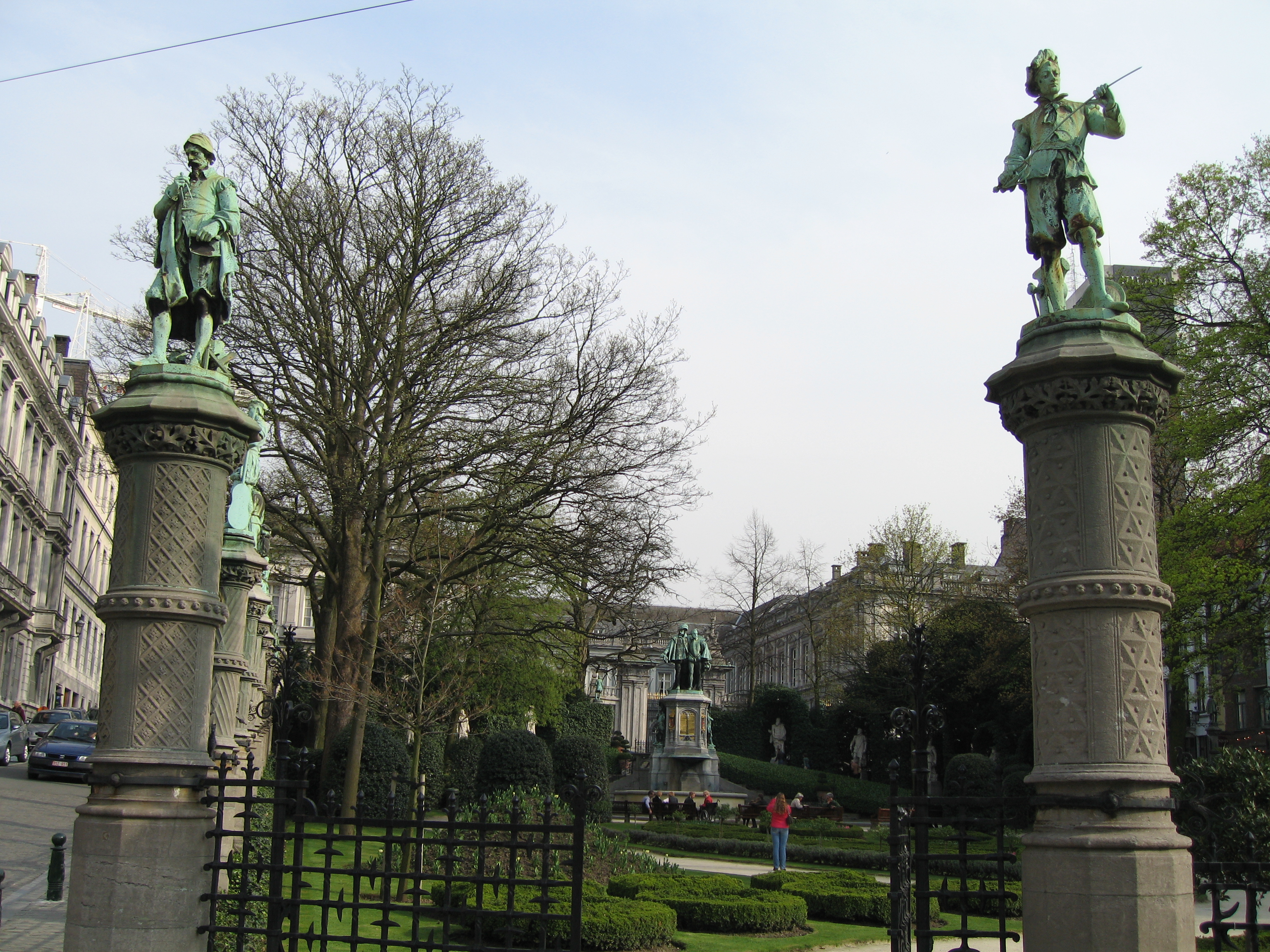
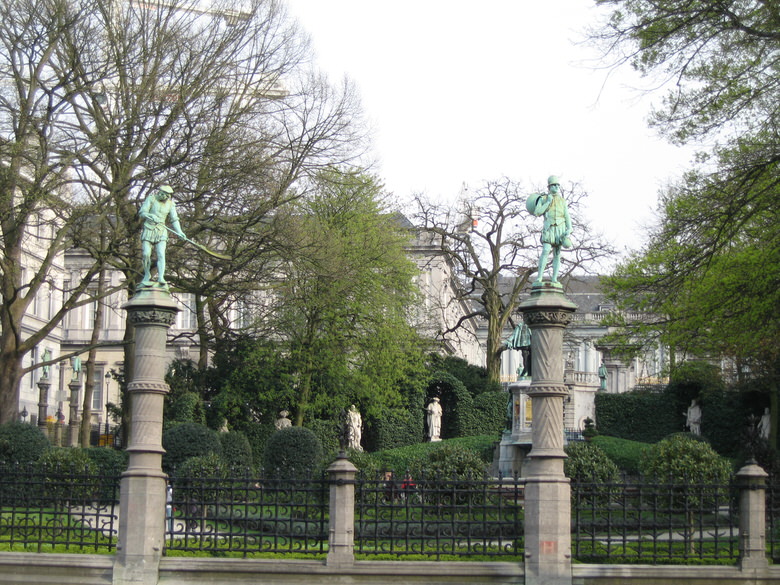
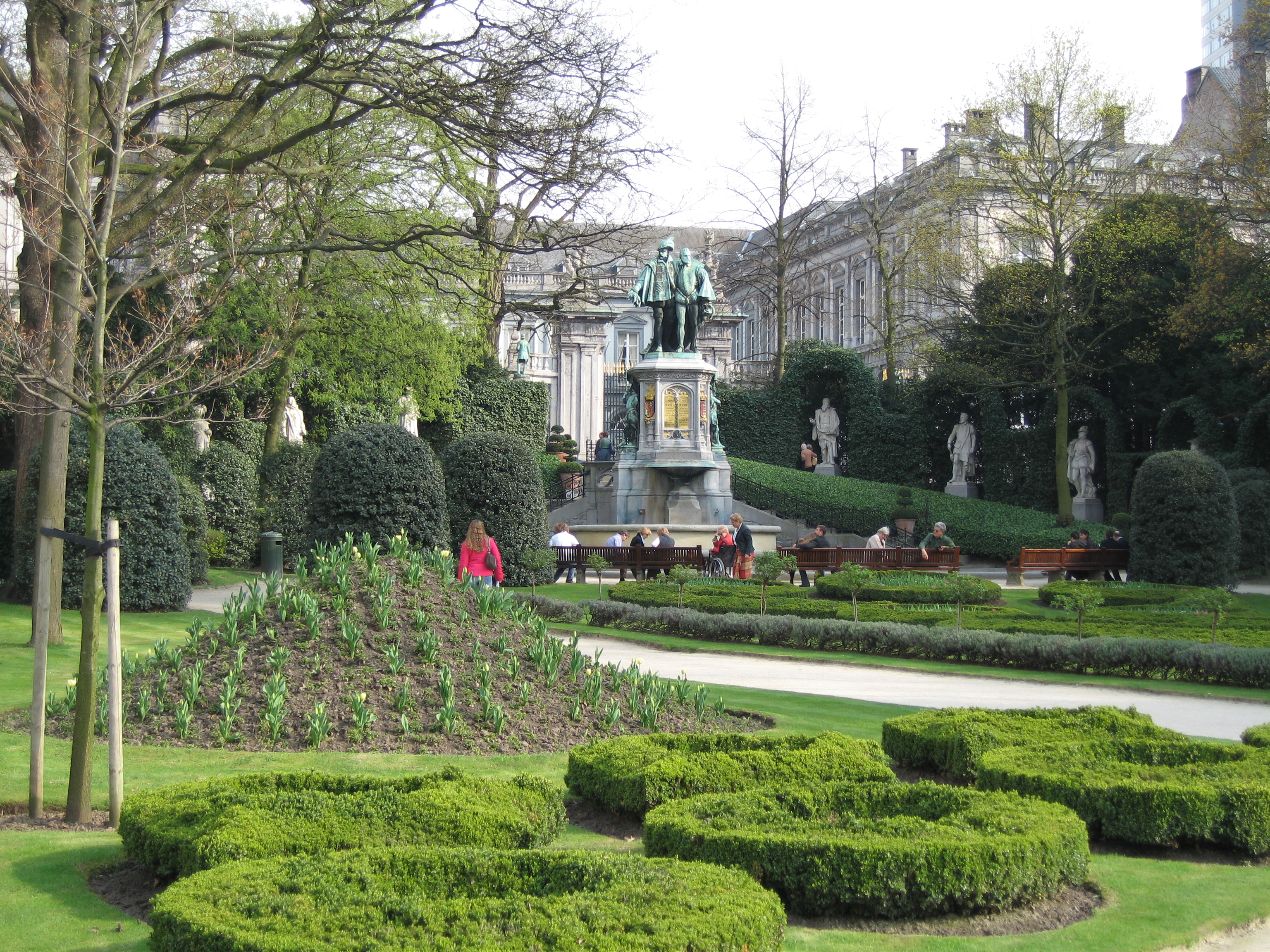
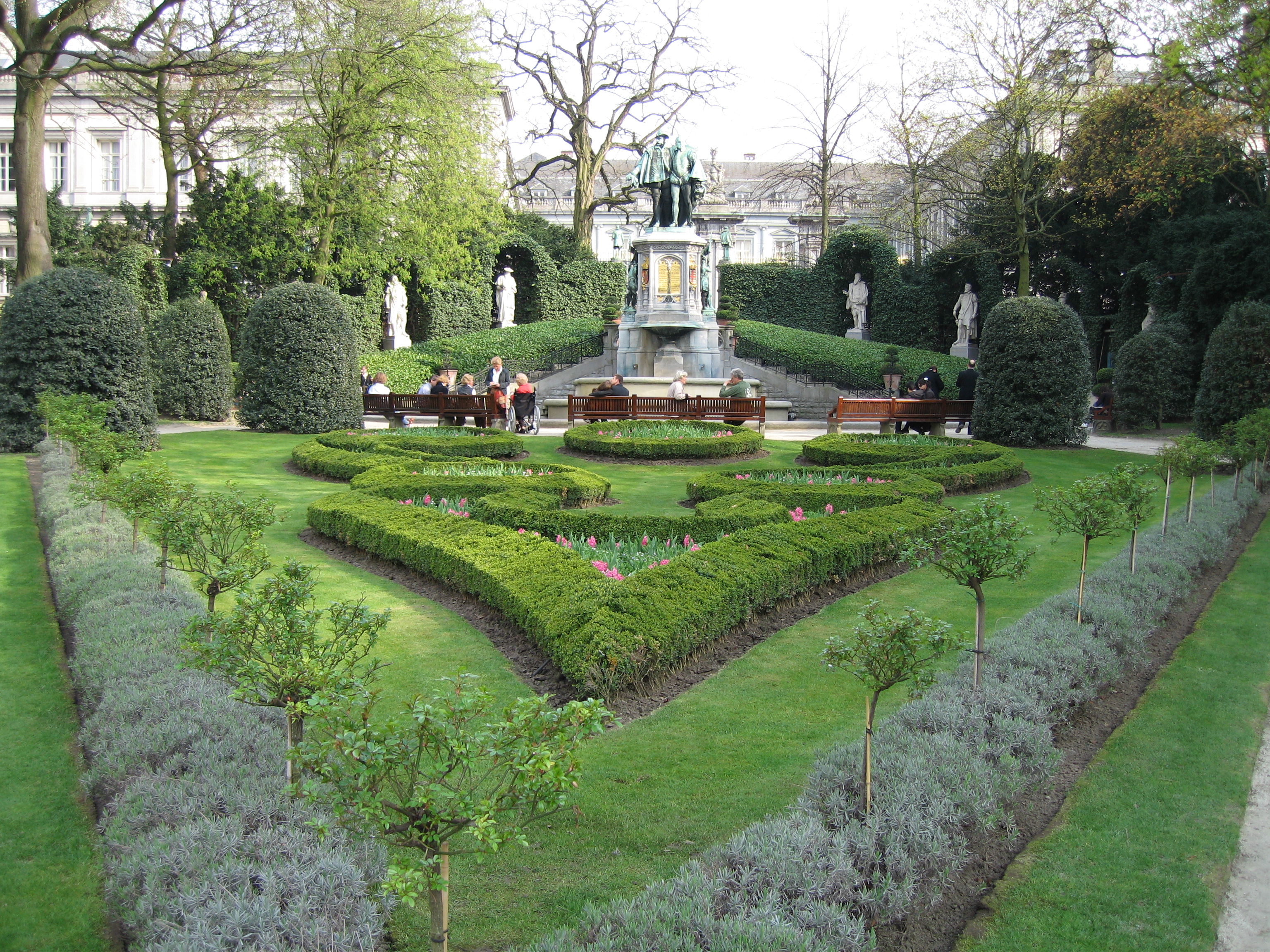
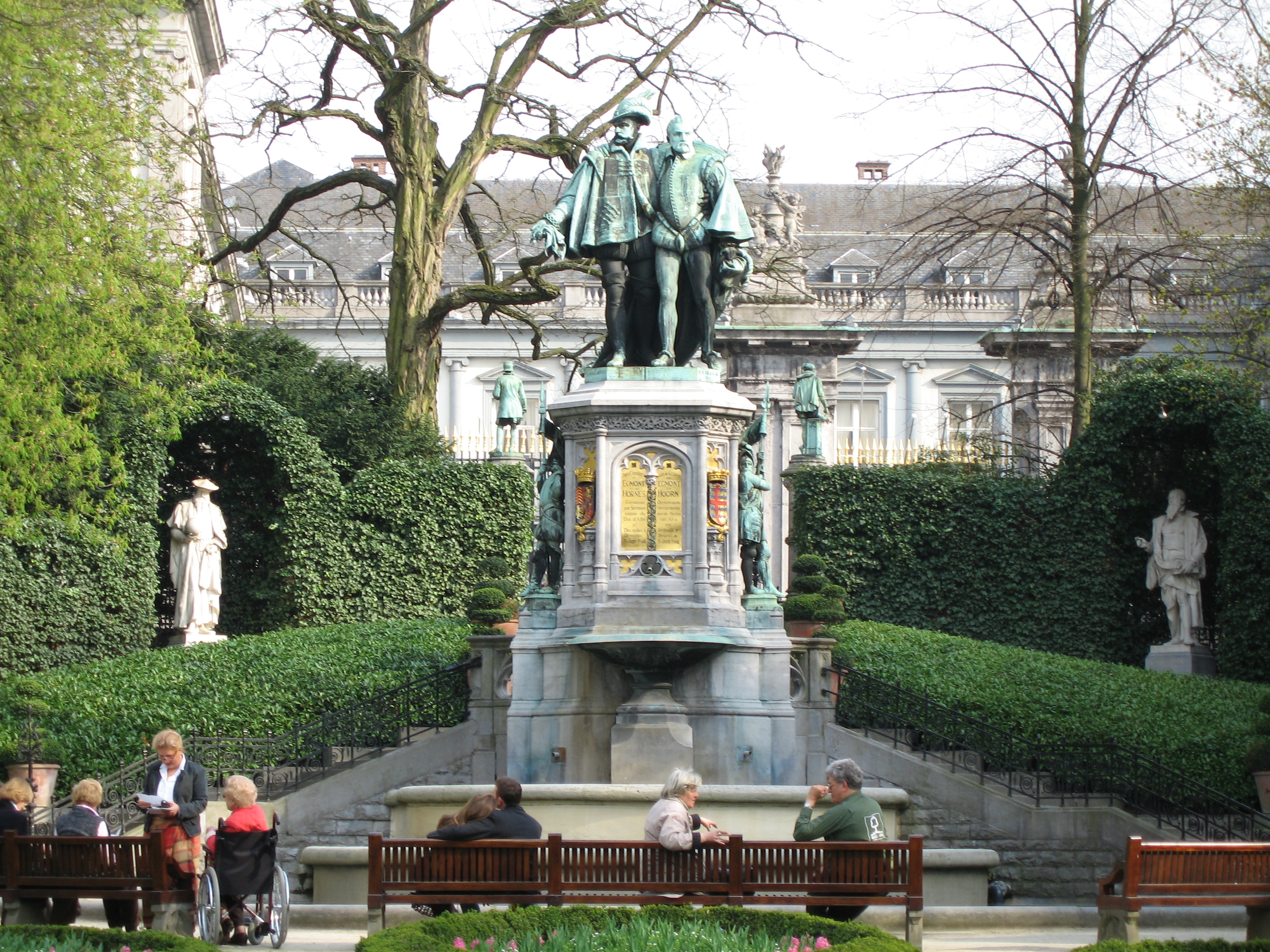
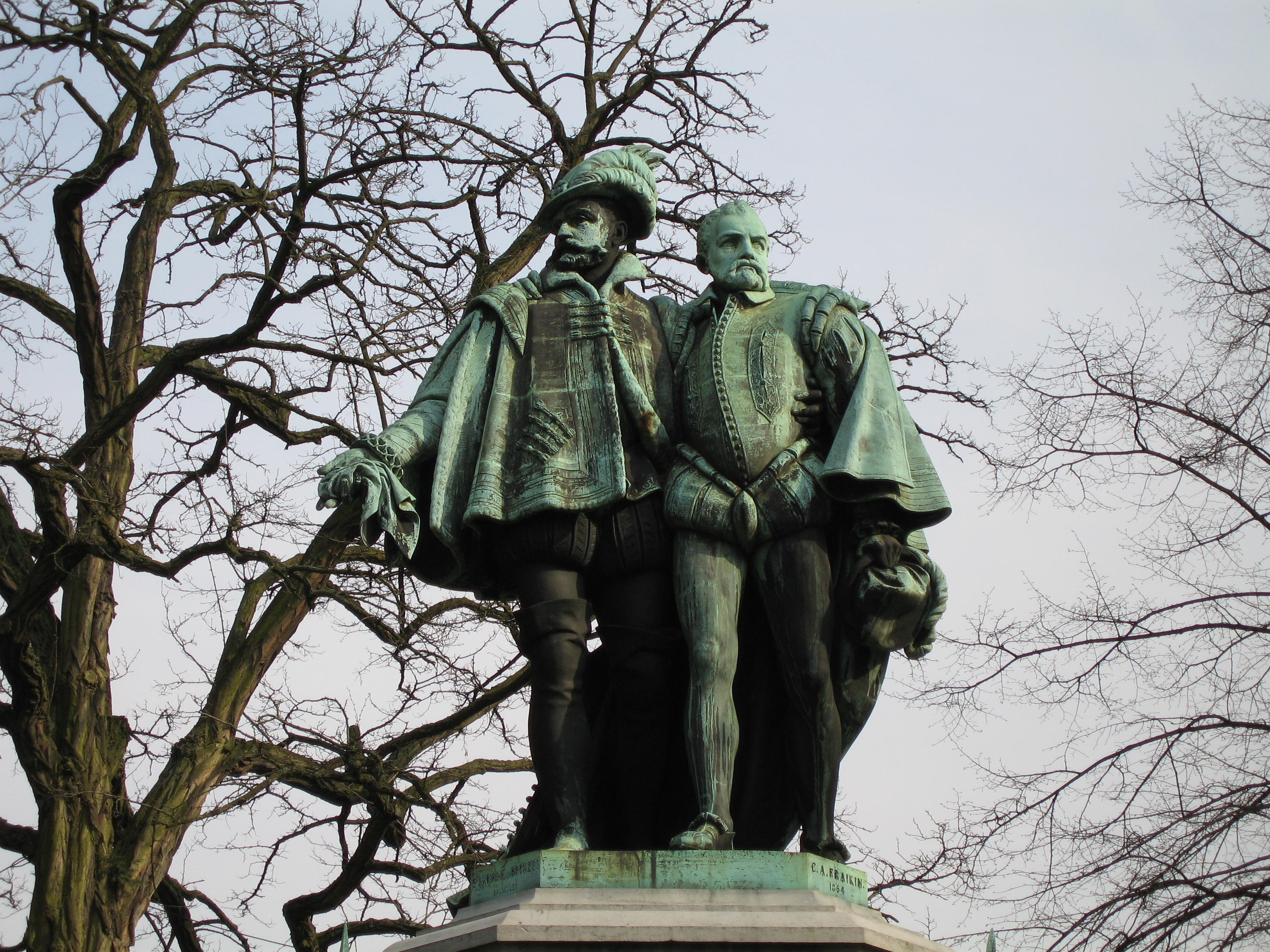
Place du Petit Sablon, this lovely little miniature garden was built in 1890 and is fenced by a magnificent rough-iron gate that is topped by 48 Paul Hankar designed bronze statues. Each one of them represent one of the Medieval arts and crafts of Brussels. Identifying each and every one of them is quite a task since most have died out. Among others you will find tallow makers, pin & belt makers, arquebusiers and linen croppers. Inside the Gardens you will find statues of the Counts of Egmont and Hornes.
The entrance of Place du Petit Sablon with some statues representing the guilds of Brussels
Some more of the 48 Medieval arts and crafts statues that surround the garden
As you enter the Garden
People having one of their usual extended sit-downs in the garden for a pleasant chat
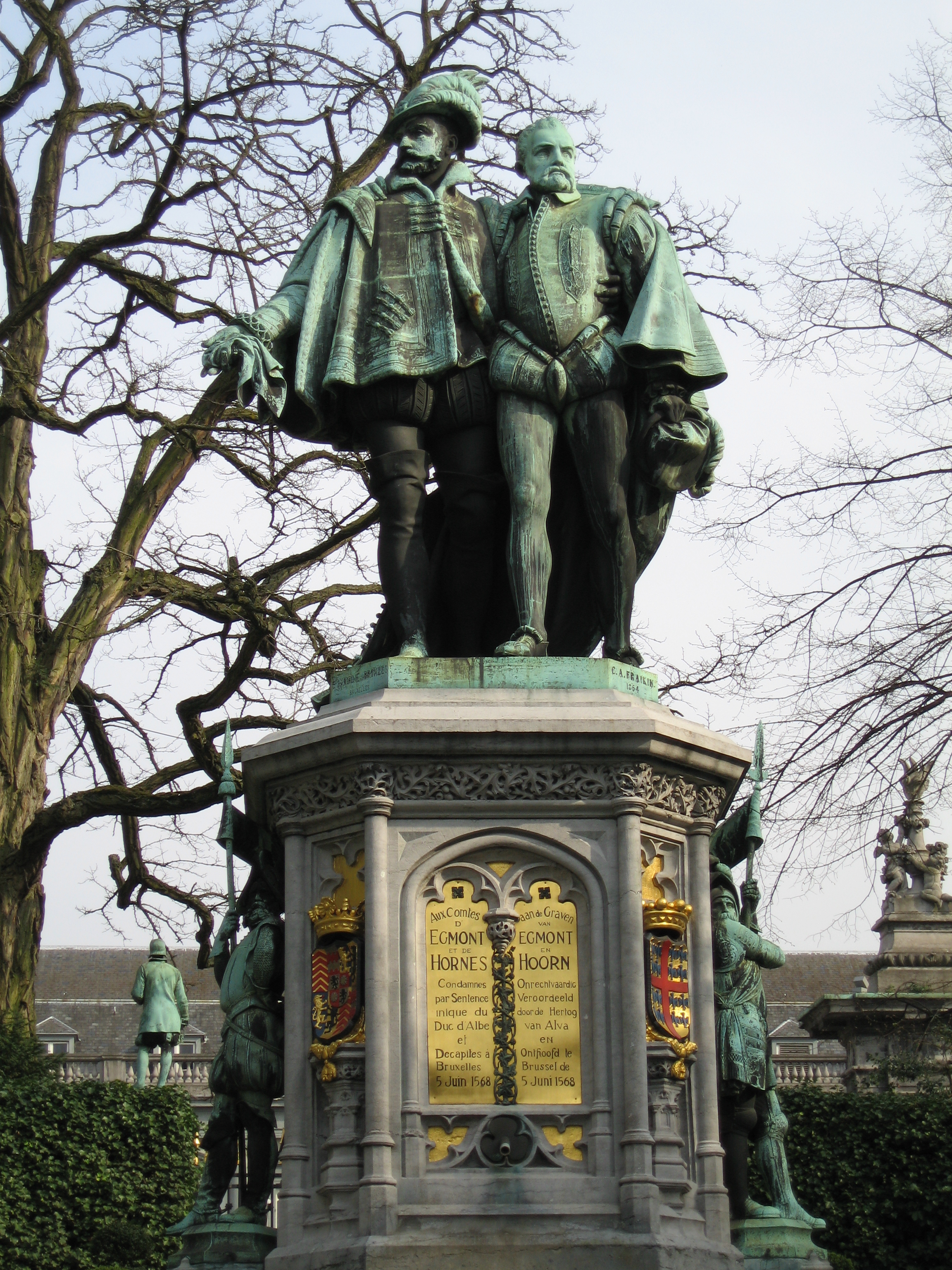
The statues are in honor to the Counts of Egmont and Hornes
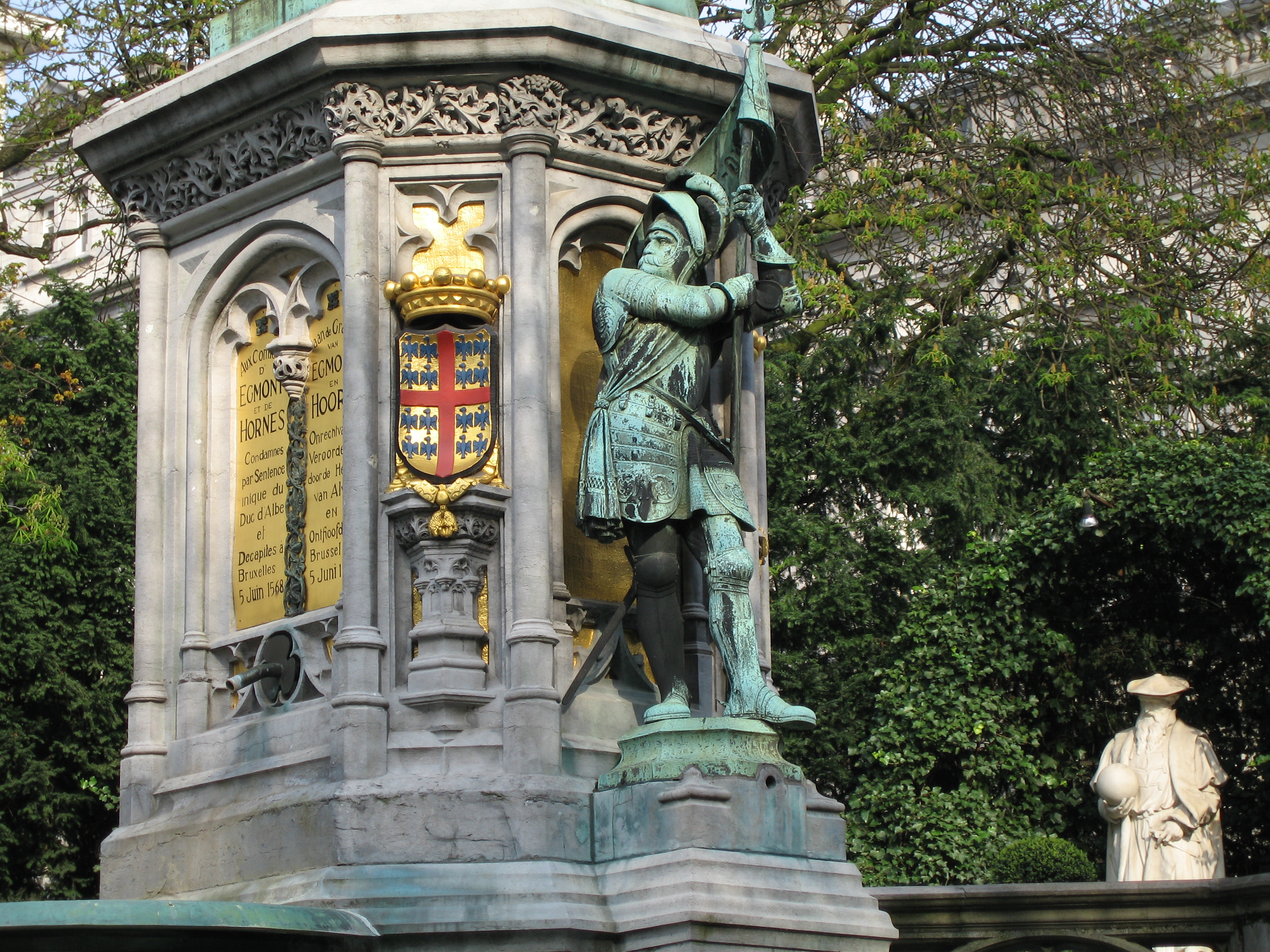
The represent their resistance to Spanish invasion and tyranny. They were sentenced and decapitated by the Duke of Alba in 1568 for it
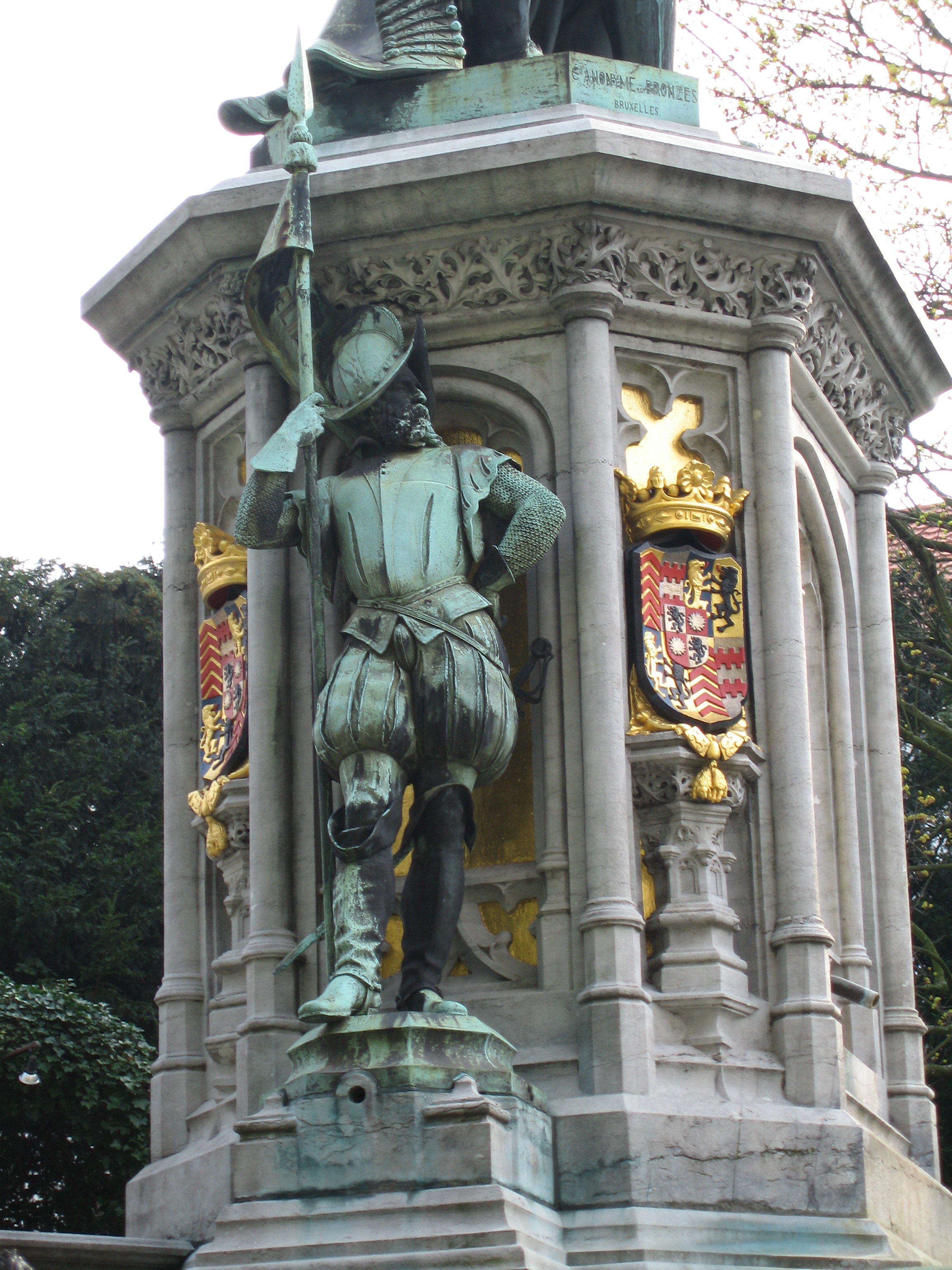
Details at the base of the statue